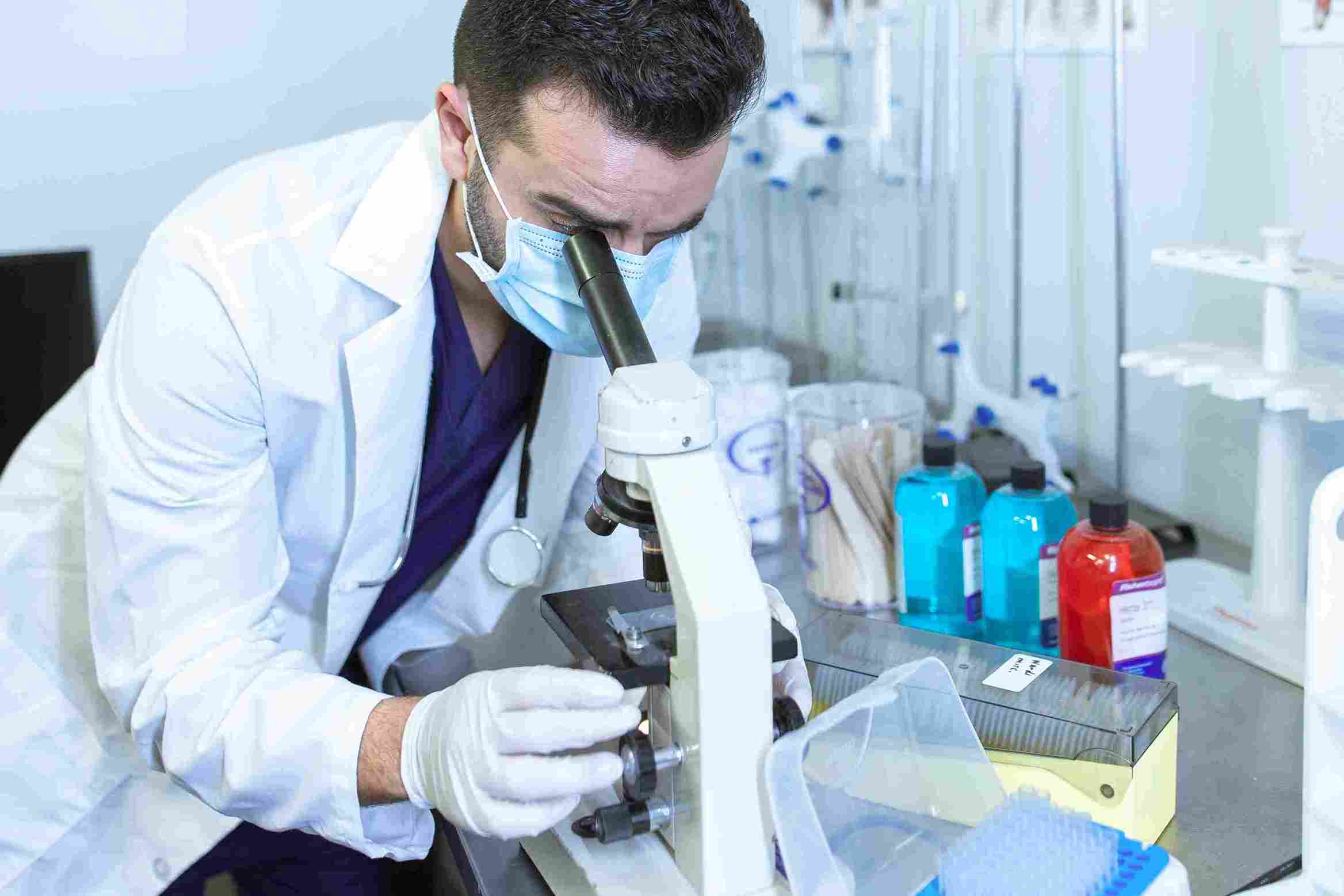
An effective complaint handling system is an extremely important part of any quality system. Manufacturers should understand that any complaint received on a product shall be evaluated and, if necessary, thoroughly investigated and analyzed, and corrective action shall be taken.
WHY SHOULD YOU ATTEND?
The results of this evaluation should lead to a conclusion regarding whether the complaint was valid, what the root cause of the complaint was, and what action is necessary to prevent further occurrences. Complaints cannot be ignored. They are an excellent indicator of problems with the use, design, and/or manufacture of a product. A single complaint that is thoroughly investigated may lead a company to take remedial or corrective action. It may also take an ongoing analysis of numerous complaints before a trend is spotted that causes a company to initiate changes in their product, labeling, packaging or distribution. The regulatory expectations for both pharmaceuticals and medical devices will be emphasized as well as overview of best practices for timely and effective investigations.
AREA COVERED
- Understand how and why CAPA is tied in to product complaint investigations
- Examples of tools currently being used to conduct investigations
- How far and in-depth do you go with your investigations
- What are current FDA "hot" buttons and trends
- Benchmarks and best practices for investigations
- How to become a "good" investigator and the emphasis on closed-loop investigations
- Why risk-based approaches are vital to the decision-making process
- How to improve and bullet-proof your product complaint management system with investigations
WHO WILL BENEFIT?
- All levels of Management for all departments and those who desire a better understanding
- QA/QC/Compliance/Regulatory Affairs
- Marketing & Sales & Customer Service
- Engineering/Technical Services
- Consultants
- Operations and Manufacturing
The results of this evaluation should lead to a conclusion regarding whether the complaint was valid, what the root cause of the complaint was, and what action is necessary to prevent further occurrences. Complaints cannot be ignored. They are an excellent indicator of problems with the use, design, and/or manufacture of a product. A single complaint that is thoroughly investigated may lead a company to take remedial or corrective action. It may also take an ongoing analysis of numerous complaints before a trend is spotted that causes a company to initiate changes in their product, labeling, packaging or distribution. The regulatory expectations for both pharmaceuticals and medical devices will be emphasized as well as overview of best practices for timely and effective investigations.
- Understand how and why CAPA is tied in to product complaint investigations
- Examples of tools currently being used to conduct investigations
- How far and in-depth do you go with your investigations
- What are current FDA "hot" buttons and trends
- Benchmarks and best practices for investigations
- How to become a "good" investigator and the emphasis on closed-loop investigations
- Why risk-based approaches are vital to the decision-making process
- How to improve and bullet-proof your product complaint management system with investigations
- All levels of Management for all departments and those who desire a better understanding
- QA/QC/Compliance/Regulatory Affairs
- Marketing & Sales & Customer Service
- Engineering/Technical Services
- Consultants
- Operations and Manufacturing